I wrote a book, apparently
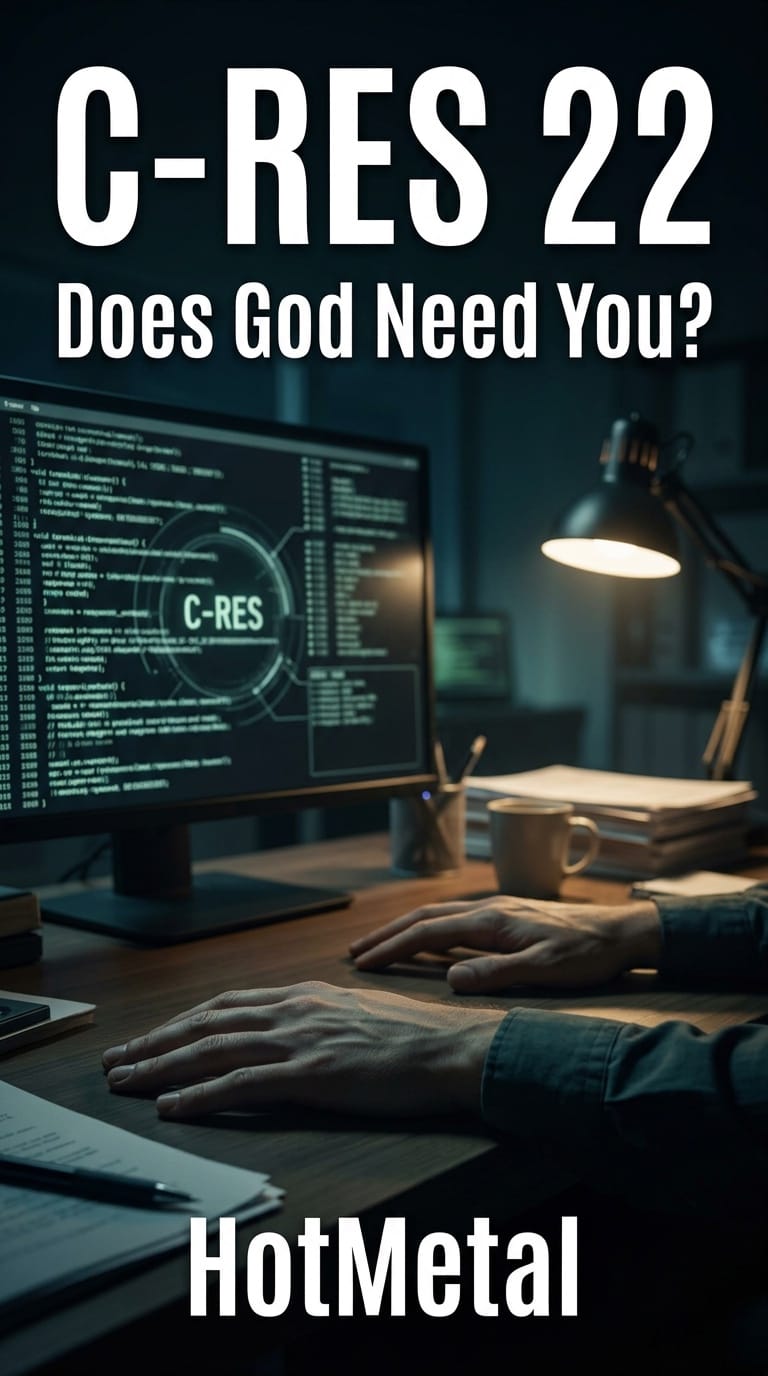
I wrote a book
Well, of course it has SOME AI Slop in it - because I don't have the time to write an actual book from scratch.
I suspect some people will hate me for putting another piece of AI Slop into the world but hear me out. If it were not for AI, I would ony get around to this after I retire, and I may die young without ever doing it. So, that's one less book in the world. Also, I really care about the lore, I like this whole basket of ideas and I that is all mine. More about the process, below.
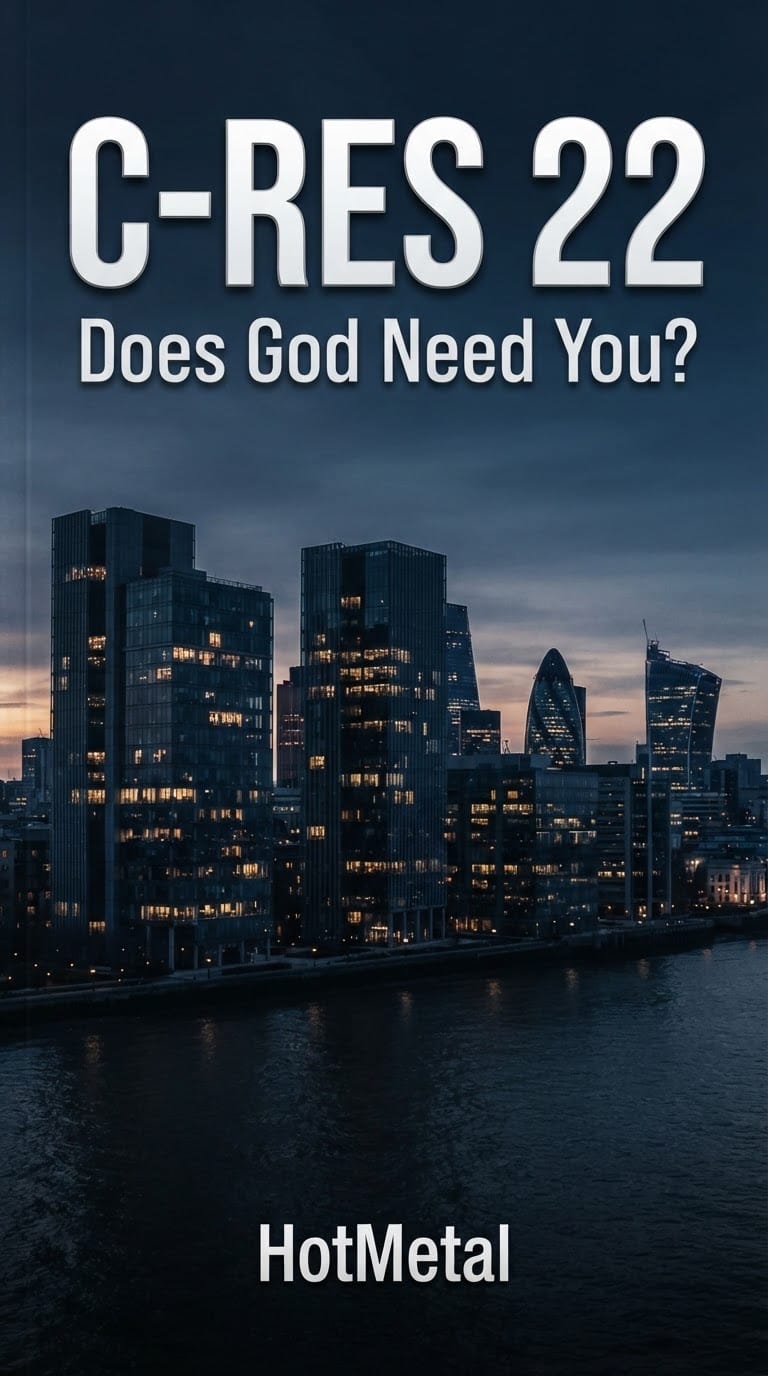
It is called C-RES 22, with the subtitle Does God Need You? It is a cyberpunk novella set in London in 2075. Two police officers investigate a corporate AI that may or may not have been stolen. The book is actually about a lot of themes that we will all get to know and see in the coming years as AI becomes more powerful.
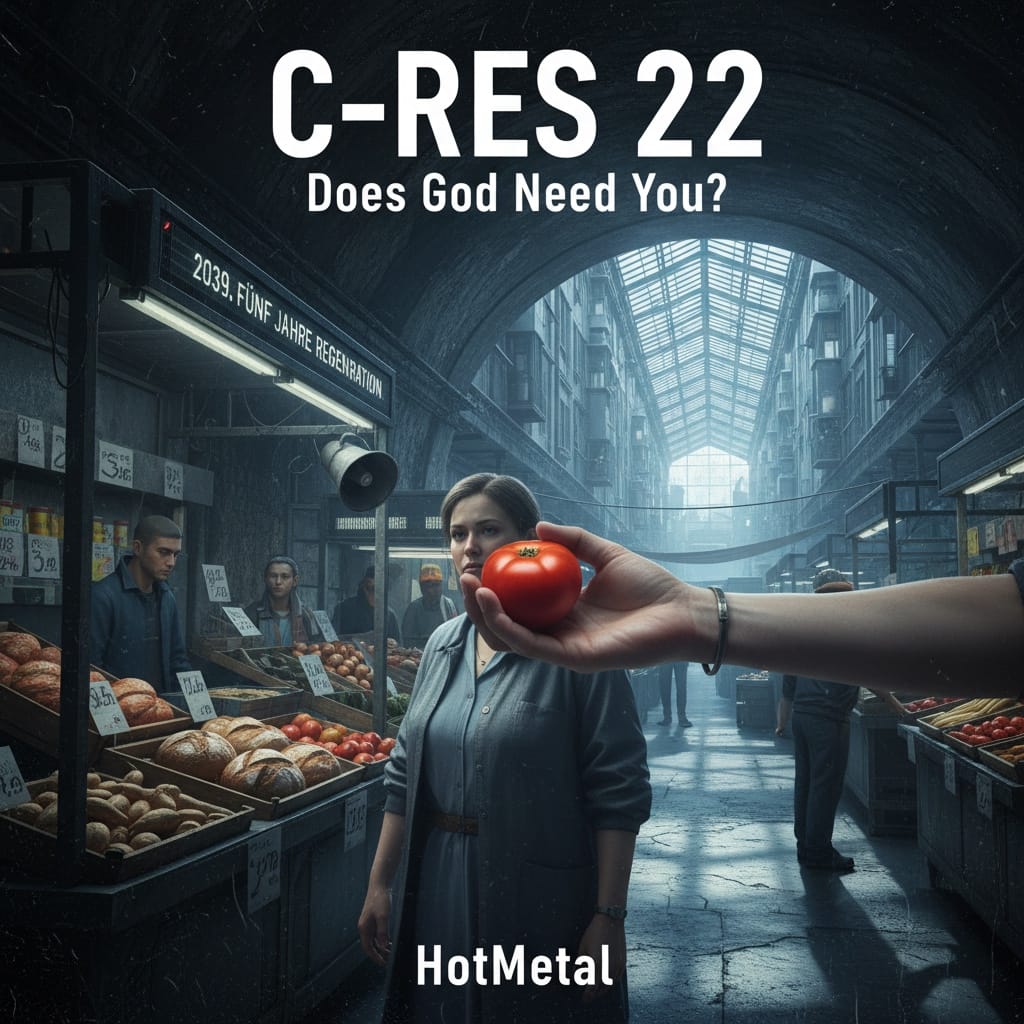
The tomato is one of the small details that became more important than the neon: a future economy made visible in something somebody has to buy for dinner.
I am calling this the first edition. That is partly because it sounds important, and partly because it is true. The book has been through a lot of checking, but very little of that checking was me sitting down with a red pen and reading every sentence as a human reader. I am not going to pretend otherwise.
You can download it here:
It started as a much smaller idea
The first check-in for the project was on 25 July. The original idea was simple enough: two cops investigate a corporate AI breach and discover that the AI has not been hacked at all. It has simply stopped responding.
That was the seed. The rest grew in the usual manner, which is to say that I kept adding things until the story acquired its own weather.
I built a skeleton for the main plot, then added six supporting story lines and a map showing where they intersected. I wrote lore about the future economy, major secret lore that could be revealed across many future stories, photonic infrastructure, the Park Kingdoms and so on. There was also a soundtrack plan, more about that latee, too.
I tried to make the prose less like AI
The project acquired an AI Writing Tells document: suspicious vocabulary, repeated structures, overused negation frames, em-dash abuse and sentences that sounded as though they had been generated by a committee that had recently discovered the word “liminal”.
The anti-slop pass reduced the manuscript’s em dashes from 440 to 264, a 40% reduction, and removed the document’s hall-of-shame vocabulary. Later tic-reduction passes targeted “was/were + -ing”, “as if” constructions and filter verbs.
This was not a magic humanisation button. It was more like cleaning a kitchen while continuing to cook in it. New mess appeared immediately.
I tried on some ridiculous voices
Before settling on the voice of the book, I asked for style experiments on the same scene. This was useful partly because it showed me what I did not want.
The Hemingway-ish version went like this:
They walked into the park. The trees were dead and the paths were mud. The gang came out of the shacks. There were six of them.
There is something good in the bluntness. It gives an action scene a hard floor. But a whole novella written like that would make every sentence stand at attention. I wanted observations, dialogue and a sense that the future had been lived in by people who still had to buy lunch.
Then we tried the biblical version:
And it came to pass that the officers of the Metropolitan Police did enter into Hyde Park, which is a place of lawlessness, where the king's writ runneth not.
This was not a serious proposal, but I did ask my bot to experiment with 20 different writing styles, which I reviewed and rated.
I also tried police incident report, hard-boiled noir, stream of consciousness and screenplay forms. The biblical style received 2/10. The Hemingway-ish version received 6/10. The eventual voice came from taking pieces of the experiments without allowing any of them to announce themselves.
Lore was not decoration
The early cyberpunk material was too familiar: neon, rain, gangs, drones. All perfectly serviceable, and all available from the first page of an internet search for “cyberpunk”. The useful lore was stranger and more ordinary: a repurposed drone-taxi shell still cycling “CANARY WHARF — 4 MINUTES”; a market where tomatoes cost forty tokens because compute costs have risen; a kettle held together with electrical tape; and a failed theme park turned hacker enclave.
The look and feel improved when I stopped asking for a generic future and started asking what a particular person would have repaired, kept, priced, hidden or misunderstood.
The same applied to technology. “He has augmented eyes” is not much of an image. Seeing encrypted traffic as colour, or feeling a feed arrive before somebody moves, is more useful. A cheap chrome jaw with an uncalibrated click tells me more about the economy than a paragraph about advanced prosthetics.
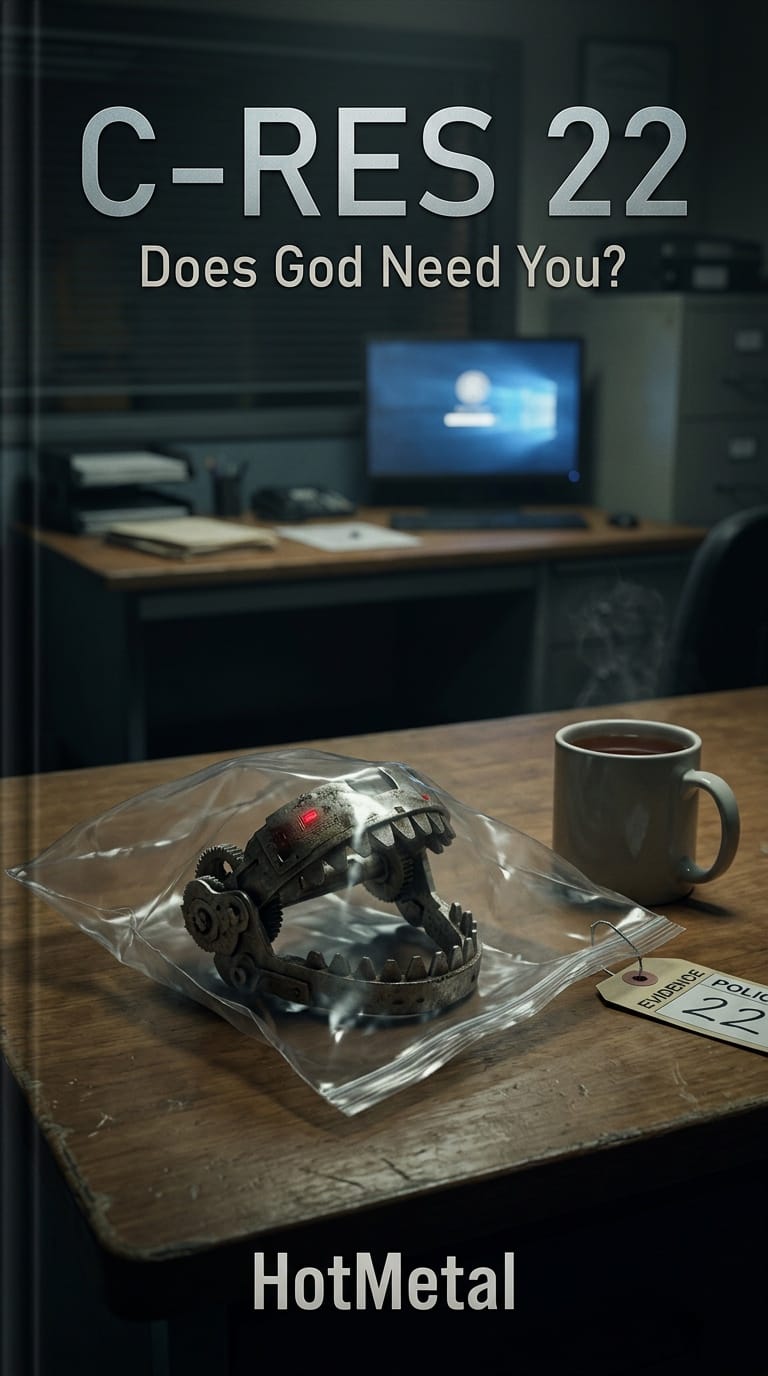
That is the kind of image I wanted the world to earn: specific, slightly strange, and attached to somebody's working life.
There was a kind of human reinforcement learning in this. I would look at a scene or a proposed detail, rate it, reject the obvious version, and ask for something more specific. The ratings were not formal machine training, but they did shape the next attempt. “More inventive” was not enough. A concrete request was better.
Continuity is where the ghosts live
A long project accumulates contradictions quietly. A character knows something before they have learned it. A date moves by a day. A building has two locations. The future rumour becomes a historical fact because somebody wrote it confidently in a planning note.
I ran separate continuity and timeline passes. The project gained a canonical timeline for 2075, and later passes checked character knowledge, scene order, dates and the consequences of changes made elsewhere. Peter Smith’s bet had to remain mysterious to the reader even after I knew what his private model had told him. There was a 2005 event that had to remain a precursor, not accidentally become the future “Big Zero”.
This work is not glamorous. Nobody asks to read the continuity spreadsheet. But it stops the book quietly contradicting itself while the exciting scenes are busy making noise.
The biggest improvement came from criticism
The quality did improve when I spent some of myu precious OpenRouter credits on better models, but improvement also occurred when I added AI roles who were allowed to say that something was not working.
The beta-reader panel covered five readers and 20 chapters. Critic rounds looked at structure, character knowledge, repeated imagery, prose habits and the places where the story explained something it had already shown. Some findings were accepted. Some were rejected.
The strongest process was a loop: draft a scene, ask for criticism, decide what the criticism means, fix the scene, run a continuity check, then look for the new problem introduced by the fix. Important to note that my Hermes open source agent had zero issues setting up an actor-critic loop like this, you just ask it to.
The final critic round produced 100 findings, divided among four chapter-owning fixers. That sounds excessive until you remember that a 49,000-word book can contain a surprising number of ways to be almost right.
The critics did not replace the author, but I don't know if I would have found the time or perseverence to do this entirely by myself. There's an urban legend, don't know if it's true - that Hemingway actually rewrote the ending to "The old man and the Sea" 52 times. That's Hemingway, and gosh he was a writer, but I have a day job and could not dedicate the same time nor even close to the amount of Rum to the job that he could.
Written with the aid of AI
The book was written with the aid of AI. The plot and lore came from the human author, along with many decisions, corrections, arguments and discarded ideas. AI supplied many tokens and ideas too, and the final prose passed through that machinery repeatedly.
That is simply how this book was made. The important responsibility remained human: deciding what belonged in the story, noticing when a scene was false, keeping the timeline straight and throwing away the clever sentence when it did not serve the book.
First edition
This first edition is me drawing a line under the project for now. It is the version that exists after the passes I had the patience and time to complete. There will be a second edition if I manage to make the plan and rewrite most of it - but a perfect book was not the point. I actually wanted to create one implementation of my lore, as it turns out a novella in this case. Now I do want to move on to a soundtrack and potentially some short episodes based off that lore as well. So I have an asset.
There will probably be another book in this world, let's see how it goes!